Project
Scrolly Gallery
Year:
2026
Industry:
Design Inspiration
Services:
Research, UI Design, CMS Integration

Project Overview
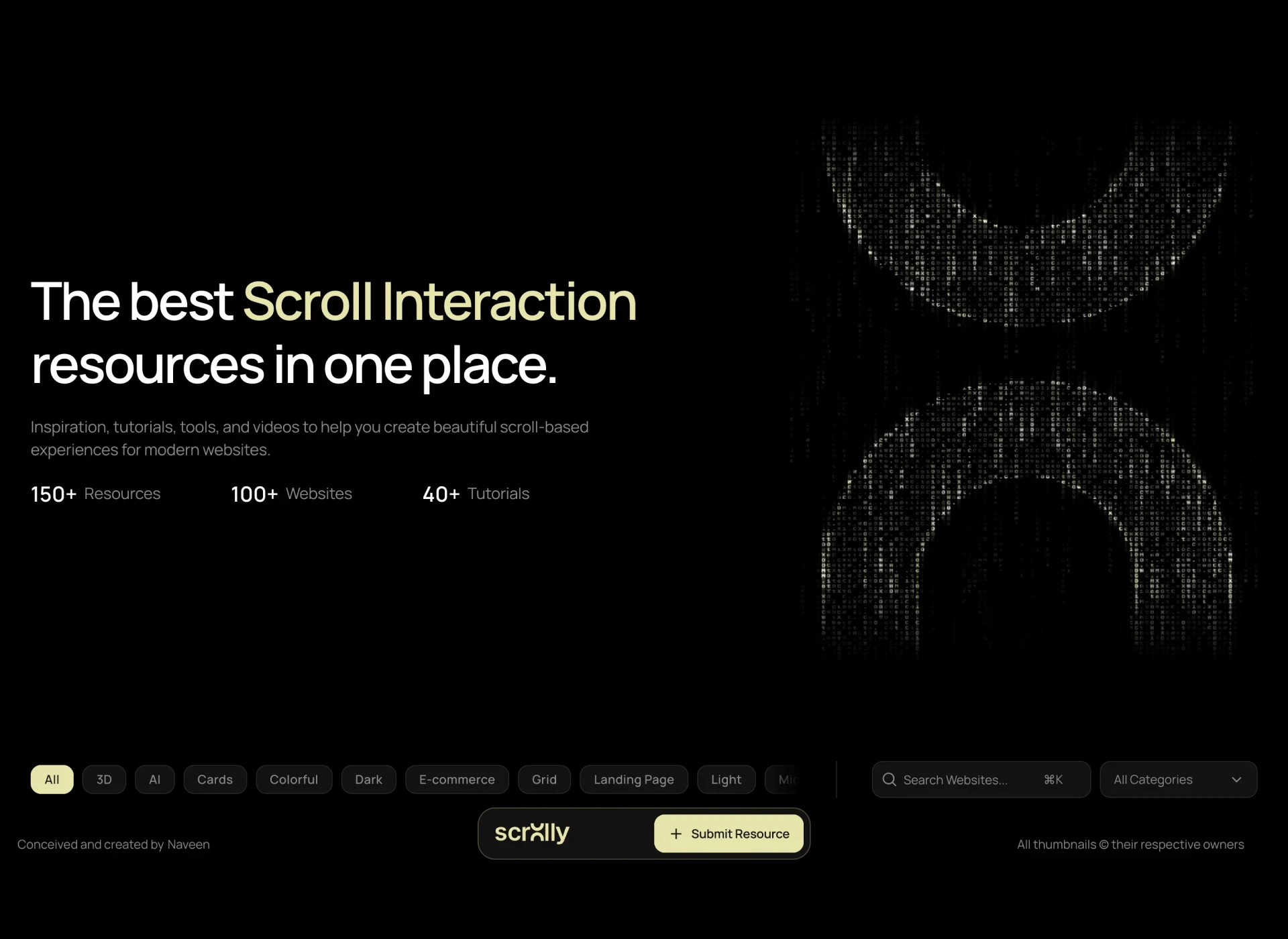
Scrolly Gallery started from a simple frustration: finding genuinely well-crafted scroll experiences was harder than it should be.
I kept coming across websites where scrolling felt intentional, smooth, and engaging. The kind of work that makes you pause and think, “this is really well done.” But those examples were difficult to hold onto. They’d get lost in bookmarks, buried in tabs, or saved without any real way to find them again later.
What began as a personal collection of “this is actually good” links quickly exposed a bigger problem. Saving references wasn’t enough. When I needed something specific, like a storytelling interaction, a playful animation, or even the tools behind it, I still couldn’t find what I was looking for.
That’s where the direction shifted.
Instead of building a simple gallery, I focused on creating a structured, searchable space where scroll experiences could be explored, not just stored. A place where designers and developers can quickly find high-quality inspiration, understand patterns, and discover tools without digging through noise.
Scrolly Gallery is the result. A curated, continuously evolving platform designed to make scroll inspiration more accessible, usable, and relevant.
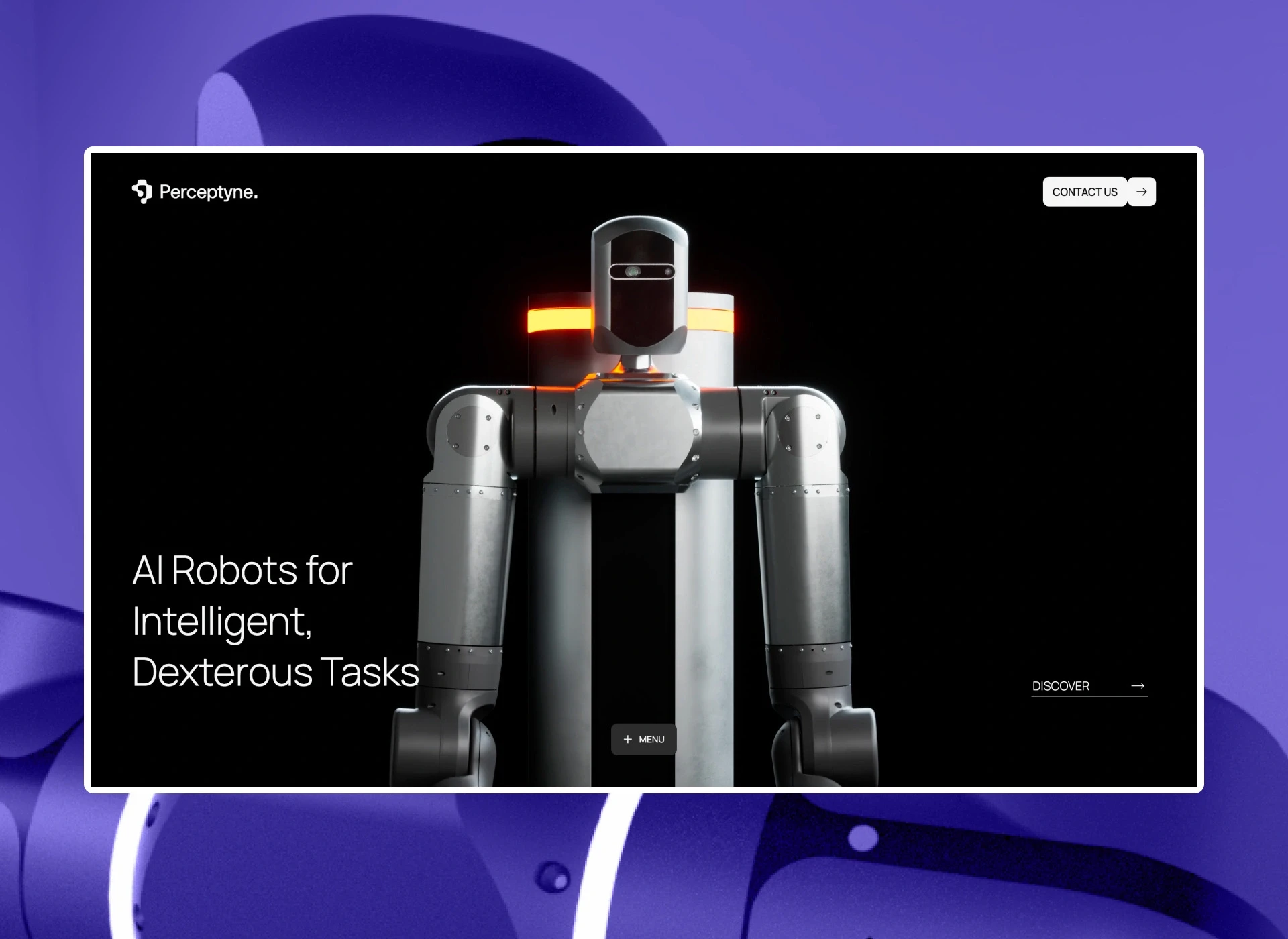
Via: Wings
My Role
This was a self-initiated project where I handled the entire process end to end.
Product thinking
Defined the problem, shaped the direction, and evolved the idea from a simple collection into a structured exploration tool.Curation & content strategy
Selected and organized scroll experiences with a focus on quality, relevance, and learning value.UX design
Designed the browsing experience to be fast, intuitive, and flexible, allowing users to filter and explore based on their needs.System design
Built a tagging and categorization system to support discovery, pattern recognition, and usability.Iteration & growth
Continuously refine the platform by adding new resources, improving structure, and adapting based on usage and gaps.
The goal throughout was to keep things simple, useful, and focused, while building something that could grow with the community over time.
" height="23.999526549803164px" id="zcLVo6Huy" transform="translate(0.156 0)" width="23.681351015523067px"/></g></svg>)
" height="23.917475919372425px" id="Jmk6rw7kJ" transform="translate(0.016 0.023)" width="23.94788823537753px"/></svg>)
" height="23.9248px" id="EIn9RJtsS" width="24px"/></svg>)
" height="21.46382956926134px" id="mlhHle2iE" transform="translate(7.414 0.051)" width="17.553539999999998px"/><path d="M 7.924 14.047 C 5.022 11.275 5.523 6.985 7.999 4.511 C 9.83 2.68 12.829 1.932 15.448 3.031 L 18.26 1.732 C 17.754 1.366 17.104 0.972 16.359 0.695 C 12.991 -0.691 8.959 -0.001 6.221 2.735 C 3.587 5.369 2.759 9.418 4.181 12.874 C 5.244 15.457 3.502 17.283 1.748 19.127 C 1.126 19.781 0.502 20.435 0 21.127 L 7.922 14.049" fill="rgb(255, 255, 255)" height="21.12653445136051px" id="Ya7s_zg4f" transform="translate(0.016 2.852)" width="18.260374999999996px"/></svg>)